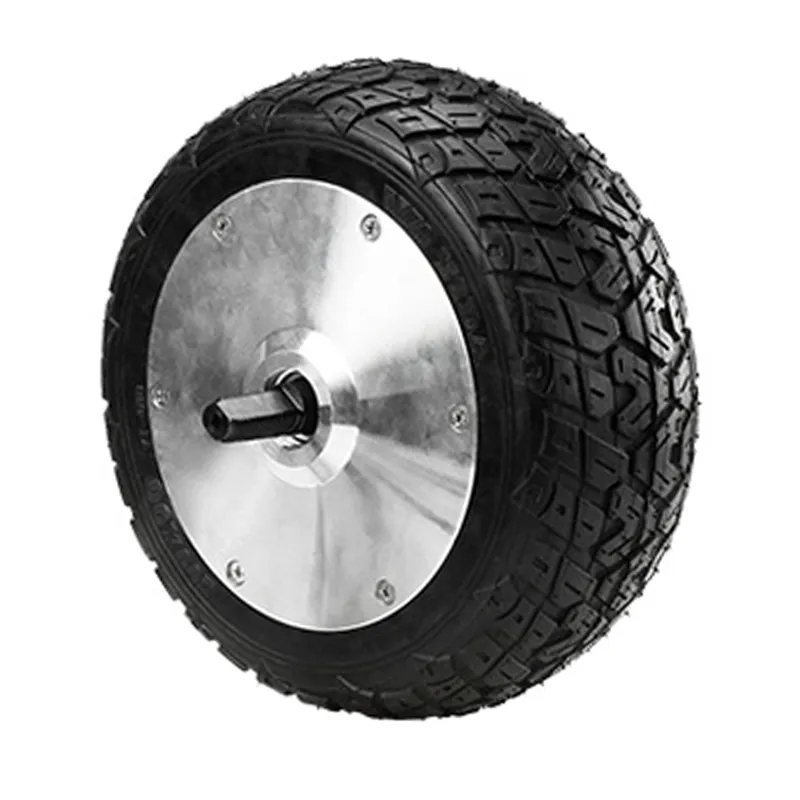
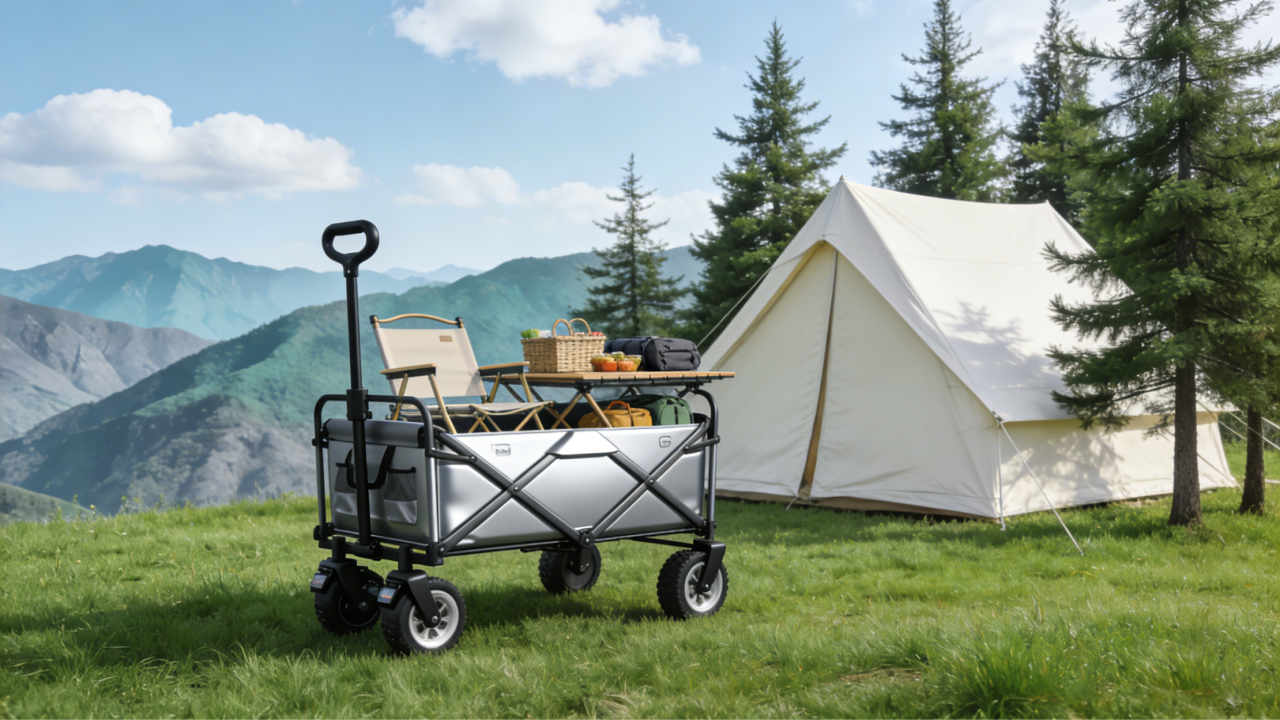
As outdoor leisure and last-mile/light-utility electrification accelerate, procurement teams are increasingly selecting 800W low-speed brushless hub motors for compact applications — from camper mobility modules to electric scooters and site-specific utility vehicles. This motor class balances torque, efficiency and packaging, enabling “let your OEM line have less downtime, ship more” realities on production floors and “Once chosen correctly, worry-free for three years” in field operations.
The global RV/camping accessory market and micro-mobility segments have grown an estimated 8–12% annually in recent years; manufacturers sourcing propulsion subsystems prioritize compactness, safety certifications and rapid assembly. An 800W low-speed brushless hub motor (typical spec set below) fits this demand by offering a compact, integrated drive that removes external gearbox and reduces wiring complexity — directly lowering BOM and assembly time.
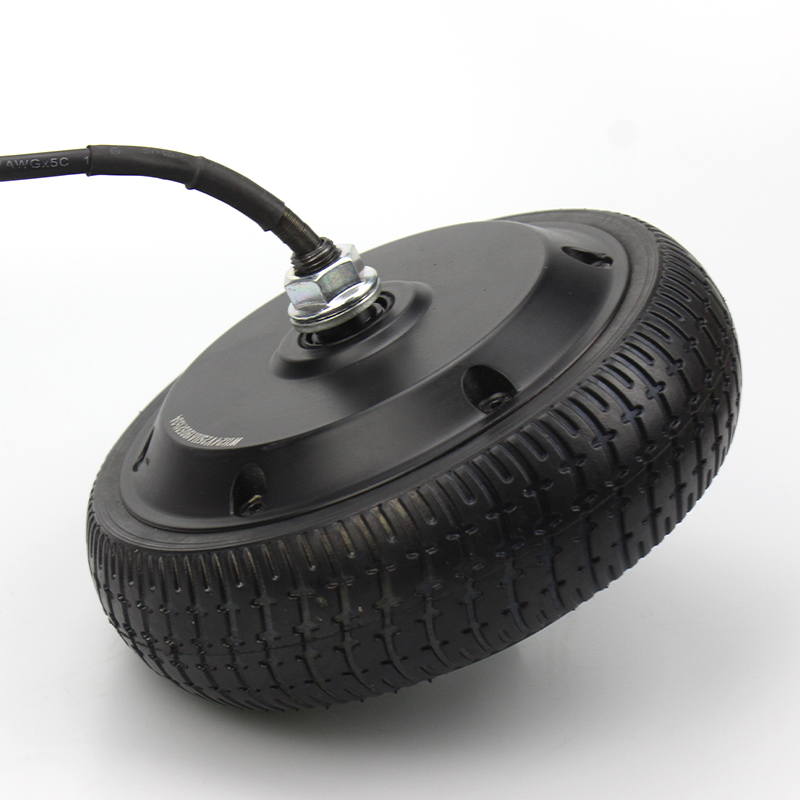
A notable mechanical innovation in many modern 800W hub motors is the double-sided threaded axle with indexed lock features. This allows quick clamping and alignment with complementary housings, turning a multi-step, torque-wrench-dependent assembly into a single, guided fast-fit operation. Field data and factory time studies show assembly cycle reduction from typical 20–45 minutes (traditional hub plus gearbox plus bracketry) to under 5 minutes per wheel module when using a dual-thread quick-clamp system — a tangible KPI improvement for OEM lines.
For cross-border B2B deals, CE and UL are not mere checkboxes. They communicate design validation, tested insulation systems and verified thermal performance under recognized standards. Buyers should request copies of the actual certificate numbers, scope pages and the latest factory production control audit — certificates without scope or expired dates are a common supplier-red flag.
Differences in regional wiring harnesses, battery management systems and vehicle layout make standardized leads and connectors impractical at scale. Customizable lead lengths, shielding and mating connector families (e.g., Deutsch, M12, or automotive-grade TE/AMP) reduce integration lift, prevent rework and help meet transient immunity needs. Suppliers offering assembly-ready wiring harness options typically reduce OEM integration time by 30–50% and lower field-failure vectors.
“Switching to a customized 800W hub with tool-free installation cut our wheel module assembly time by 70% and reduced field service calls by over 25% within six months.” — Tier-2 OEM procurement
Use the following mapping to judge fit-for-purpose:
For bulk sourcing, require a proto-sample run (5–10 units) with customized leads and the dual-thread axle interface. Conduct a 72-hour continuous duty bench test and an ingress plus vibration test. Negotiate a spare-parts kit (bearing, seals, connector) and a response SLA. These steps materially cut procurement risk and align performance expectations across supply chain partners.
Follow-up content will dive into a full selection matrix (“Wheel size vs torque vs speed”), controller matching and practical vehicle integration checklists for field deployment.
 443
|
443
|
 wide-tire hub motor
heavy-duty mower stability
single-side thrust shaft technology
hub motor selection
hub motor quality testing
218
|
single-sided axle permanent magnet DC motor
dual-support motor comparison
electric go-kart motor selection
motor torque transmission efficiency
go-kart motor cooling
wide-tire hub motor
heavy-duty mower stability
single-side thrust shaft technology
hub motor selection
hub motor quality testing
218
|
single-sided axle permanent magnet DC motor
dual-support motor comparison
electric go-kart motor selection
motor torque transmission efficiency
go-kart motor cooling